Hemangiosarcoma in dogs
Clear, practical help from a family who just went through it.
Most families learn the word in an emergency room. Here's what to do first, what to watch every day, and how to make the time you have count. Every medical fact is checked against veterinary research.


Start here: our advice, up front
If a friend told us their dog had just been diagnosed, this is what we'd say first, in this order. Want it on paper? Print the two-page family cheat sheet.
- This is bad luck, not your fault. Hemangiosarcoma usually hides until it bleeds, and it's rarely caught early. You didn't miss anything.
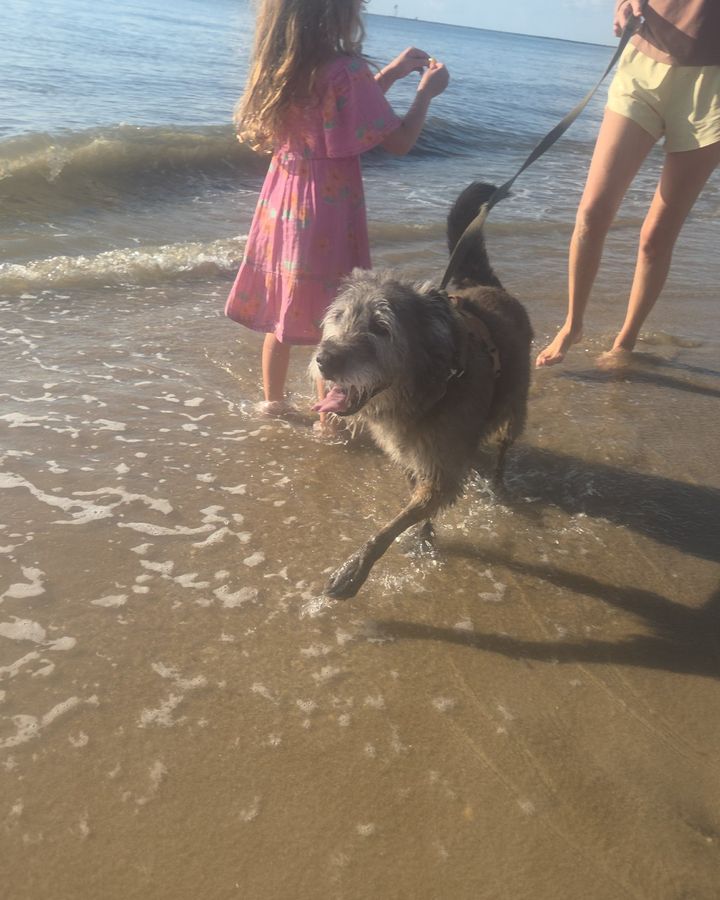
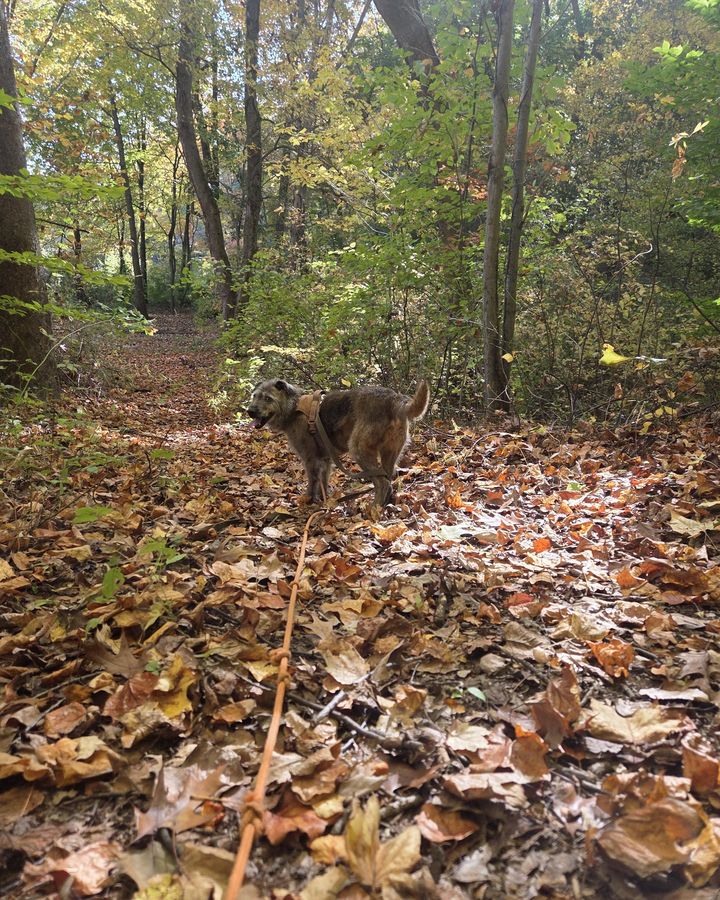
- Make the best days now. Take the family photo. Drive for a pup cup. Go to the beach or the trail this weekend, not someday. Bucket list ideas
- Count breaths and food every day. Resting breath rate and exactly how much they ate are your early warning system. Weigh weekly. Open the care hub
- Watch for anemia. Pale gums, low energy and faster breathing together mean call your vet the same day. What to watch
- See an oncologist quickly, and ask about every option. Chemo usually starts within weeks of surgery. A common plan is IV chemo first, then low-dose pills. Ask about tumor testing and trials. Compare options and costs
- Keep the vet plan simple. A PCV and a quick FAST ultrasound answer most "is it a bleed?" questions. Keep costs down
- Plan the goodbye before a crisis. Which ER, whether to transfuse, and what a peaceful ending looks like. Talk it through as a family this week. How to plan
Small asks that helped us at every visit
- A PCV, the red blood cell count. Quick, and about $60 for us. The single most useful number.
- A vitamin B12 shot on low-appetite weeks. Inexpensive, and Clawdia ate better after.
- Fluids under the skin when she wasn't drinking enough.
- A quick FAST ultrasound to check for fluid, instead of a full scan, when the question was "is she bleeding?"
- Weekly weigh-ins and vitals at a wellness-plan clinic with no exam fee.
What hemangiosarcoma is
Hemangiosarcoma is a cancer of the cells that line blood vessels. It most often starts in the spleen, heart or liver. Because the tumors are made of fragile, blood-filled tissue, they can rupture and bleed inside the belly or chest without warning.
Many dogs show no signs until that first bleed. Then it's sudden: weakness or collapse, pale gums, a swollen belly, fast breathing. It's most common in middle-aged and older dogs, and in breeds like German shepherds, golden retrievers and Labs, but any dog can get it. Clawdia's DNA test showed German Shepherd, one of the higher-risk breeds.
It spreads in more than one way, which is why vets often layer treatments. Tap the treatments in the picture to see what each one blocks. The picture is simplified to show the idea; it is not data.
- 5 to 7 months
- Average survival with surgery and chemotherapy (Morris Animal Foundation)
- About 1.6 months
- Median survival with surgery alone (JAVMA, 208 dogs)
- Fewer than 1 in 10
- Dogs with splenic hemangiosarcoma alive one year after diagnosis (Cornell)
Some dogs beat the averages
Averages hide the outliers. Published cases include a dog who lived about 26 months, and a University of Florida patient still cancer-free four years after treatment. In FidoCure's 508-dog study, targeted drugs plus chemo were linked to 2.6 times the median survival of surgery alone. You may also hear of dogs living two or three years with layered treatment.
These are the exceptions, not what most dogs can expect, and no one can tell in advance which dogs will be outliers. Ask your oncologist whether layering chemo, metronomic pills and targeted drugs makes sense for your dog.
Cancer cellKilled by chemoGrowth signalNew blood vessels

Our story
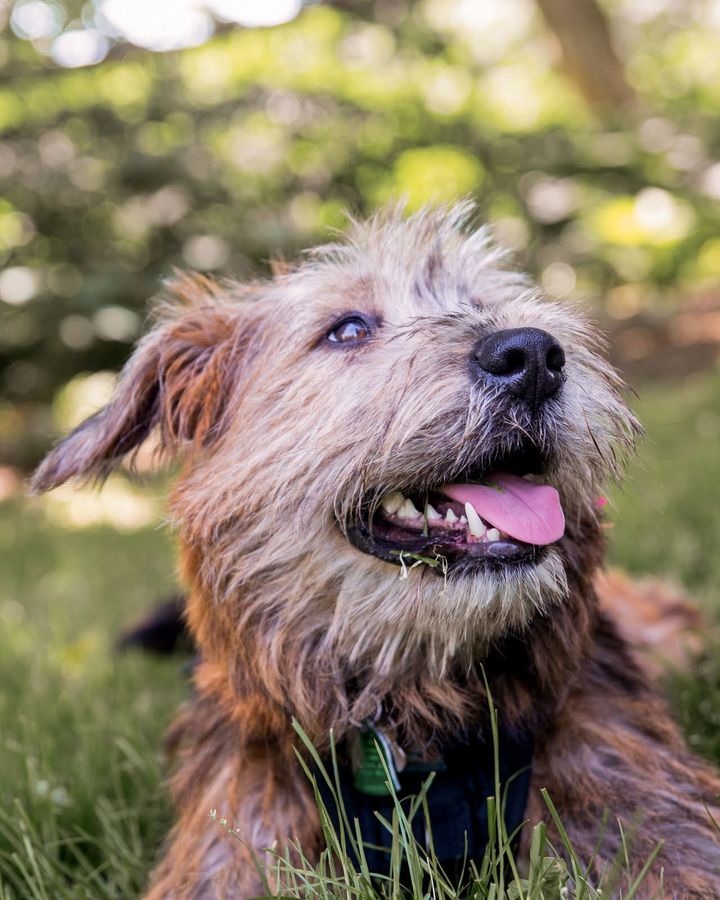
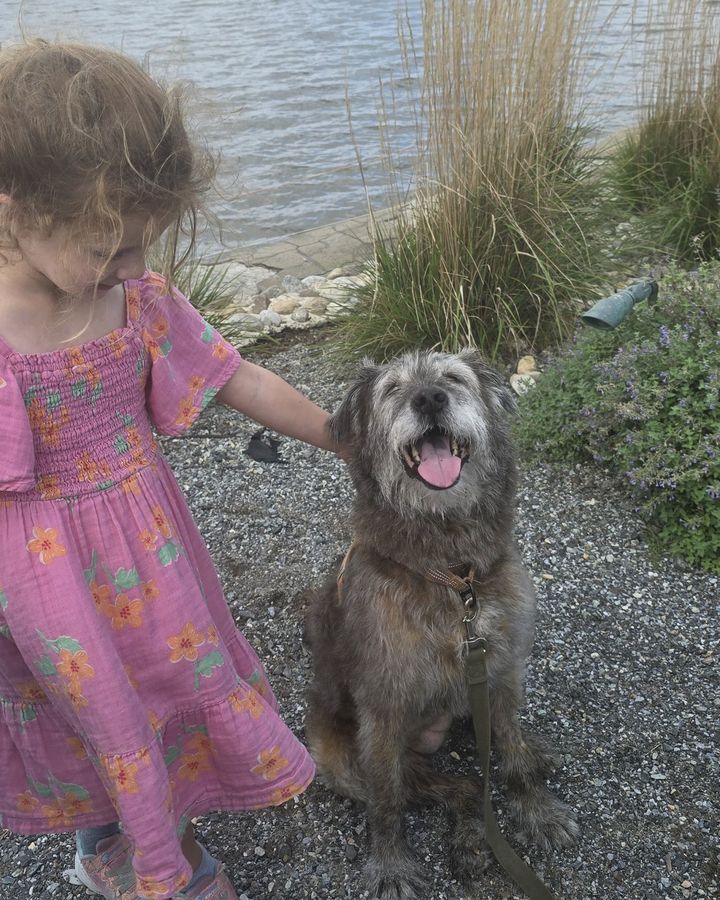
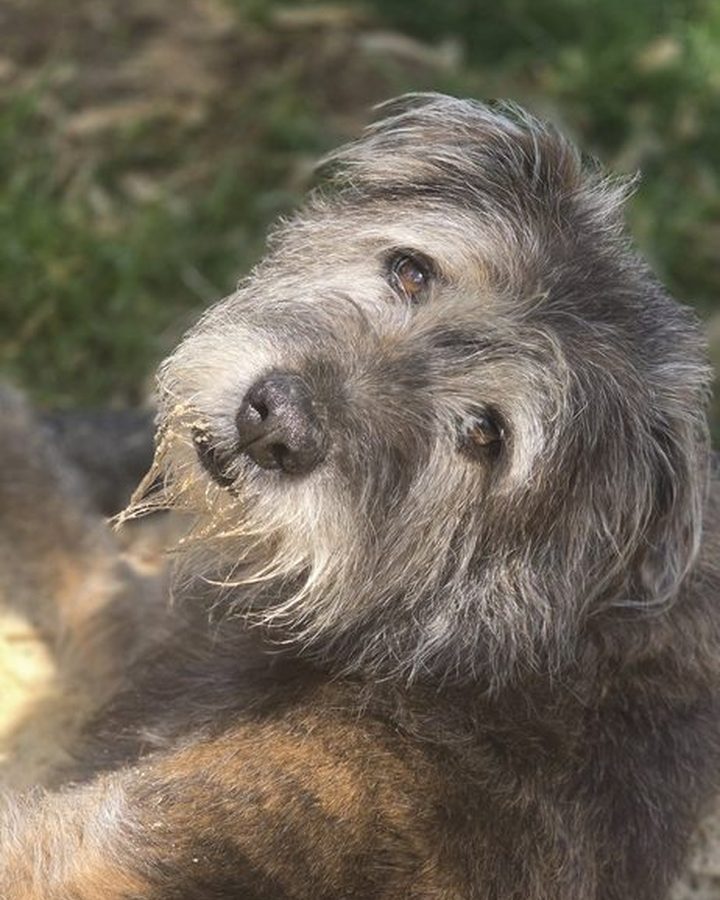
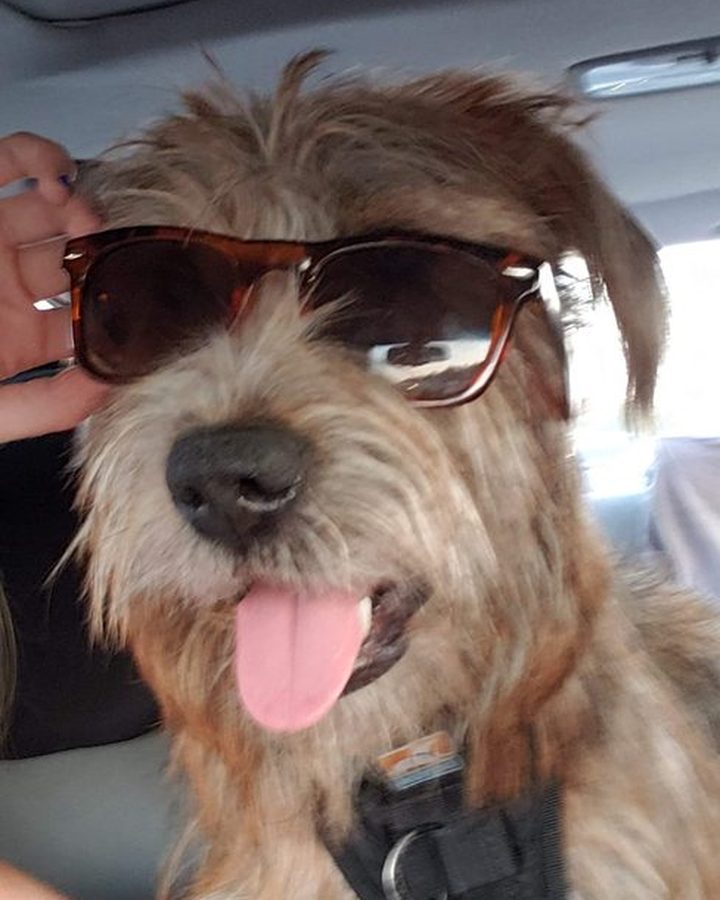
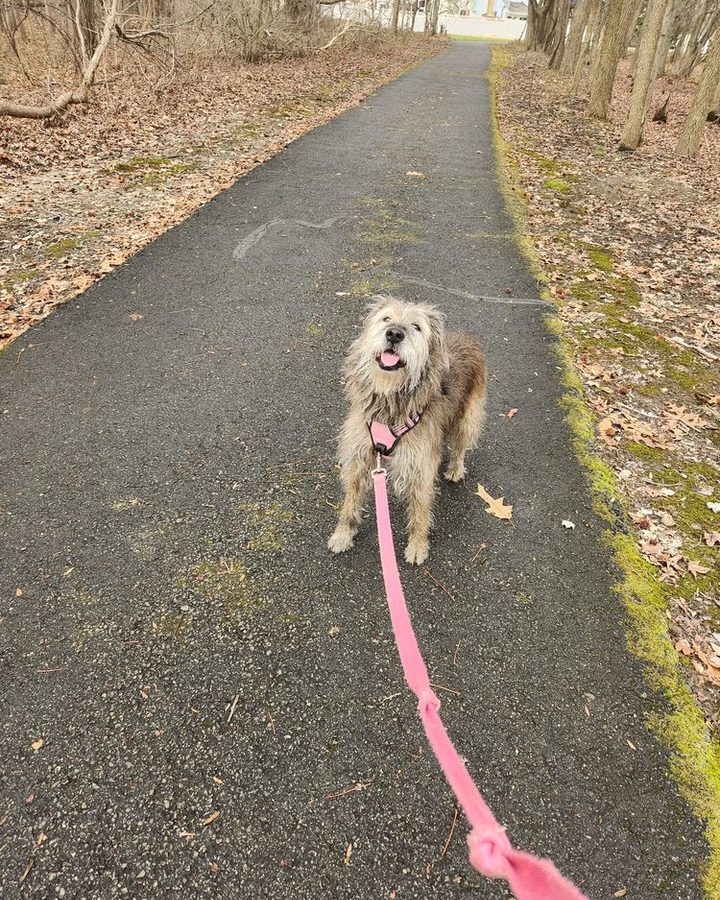
We adopted Clawdia on her three-month birthday, and she was our best friend for nearly eight years: a scruffy, spunky rescue who loved everything. Car rides, pup cups, the couch, her people. If something was happening, she wanted in.
In August 2026 a tumor on her spleen ruptured. The diagnosis was hemangiosarcoma, and it had already spread to her liver. We had three more months with her. We learned more than we ever wanted to about this disease, and we made this site so you don't have to learn it alone.
Read the full story
Clawdia's story started with a Craigslist ad. Our friend's sister found her and adopted her, but soon realized she couldn't care for a puppy, and selflessly put her up for adoption when Clawdia was just two and a half months old. We adopted her on her three-month birthday and fell in love instantly. From that day on, she was our best friend.
For years we were sure she was part Irish Wolfhound, with that scruffy coat and those long legs. Her Embark DNA test said German Shepherd and Chow Chow, and honestly, that suited her. She was spunky and up for anything: a walk, a car ride, a pup cup, a spot on the couch. If something was happening, she wanted in. She was born November 16, 2018.
In August 2026, a tumor on her spleen ruptured. On August 20 she had surgery to remove her spleen. The diagnosis was hemangiosarcoma, a cancer of the blood vessel cells, and it had already spread to her liver. We had never heard the word. We later learned that German shepherds are one of the breeds at highest risk.
The next three months were the hardest and most tender of our time with her. Her oncologist checked on her constantly and even came to our house. There were good weeks, when she ate her food, wanted her car rides and was completely herself. There were hard days too: nausea, a stomach that wouldn't settle, restless nights and emergency visits at odd hours.
In between, we gave her the best days we could. A riverside walk two weeks after surgery. Splashing in the waves at the beach. Car rides with the window down. A fall trail walk in the middle of treatment. Those are the days we hold on to.
We learned to count her breaths while she slept, to check the inside of her eyelid because her gums were dark, and to hide pills in breakfast sausage. We celebrated every can of food she finished. She loved her heated bed, and on the hard nights she fell asleep with her head on my wife's hand.
She turned eight on November 16. Ten days later, on Thanksgiving, her body couldn't keep going. We said goodbye together, holding her, and she wasn't in pain.
Nobody hands you a plan. You get a diagnosis, a stack of discharge papers and a lot of fear. We built this site to be the plan we wished we'd had: what the disease is, what to ask, what to watch for, how to keep track, and how to make the good days count.
Clawdia's family
Start with these reads
Short, sourced answers to the questions every family asks first.
Free tools we built while caring for Clawdia
Everything is free. Your dog's information stays on your own device. See all tools
Help end hemangiosarcoma
Survival has barely changed in decades. Researchers are now building blood and urine tests that could catch it before the first bleed, and treatments that work for longer. It runs on donations.
Give in Clawdia's name, or in your own dog's. Every gift goes directly to a 501(c)(3) research charity.
Need help with costs?
- Frankie's Friends: grants for emergency, specialty and cancer care
- Brown Dog Foundation: bridges the gap between cost and what you can pay
- Live Like Roo: support for families of pets with cancer
- Our guide to keeping vet costs down